Glass or film: choosing a pattern carrier
The carrier decides how long a projected mark stays sharp. Heat, duty cycle and detail all point in the same direction.
Read note →Gobo projectors, made-to-order glass patterns and projection lighting for retail, architecture and industry. Six series, sixteen models, one manufacturer.
Twelve to fifteen hundred watts. Interior, exterior, long-throw, pattern, safety and custom-gobo series.
Glass and film gobos produced in-house, with a digital proof issued before anything is cut.
Manufactured by HANG ZHOU JINGYU PHOTOELECTRIC TECHNOLOGY CO., LTD. in Shaoxing, Zhejiang. Quotations returned within one working day.
Each series has its own housing, optical train and mounting assumptions. Choose the environment first.
Full model index →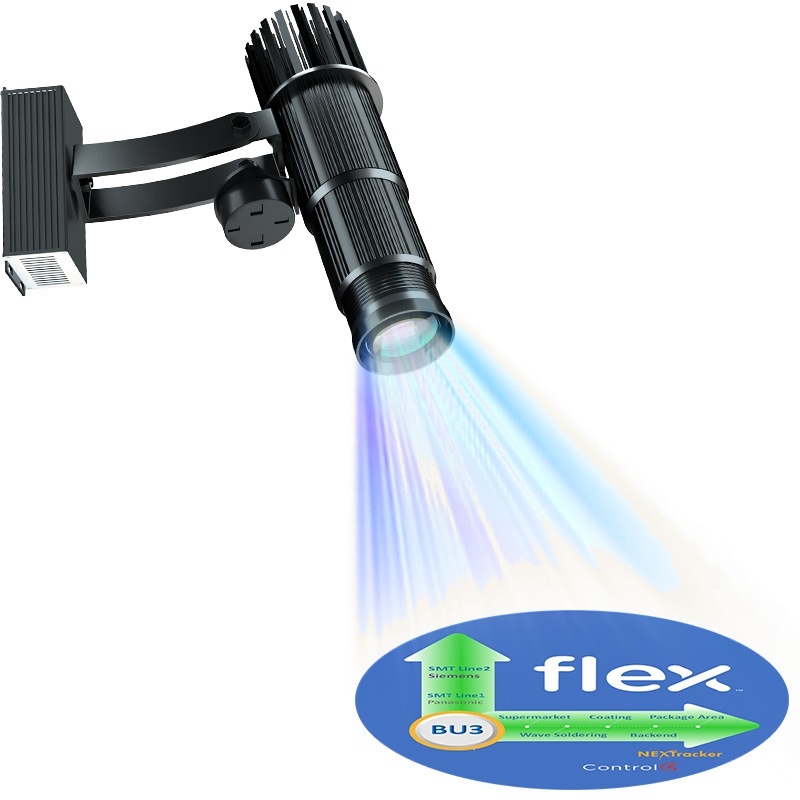
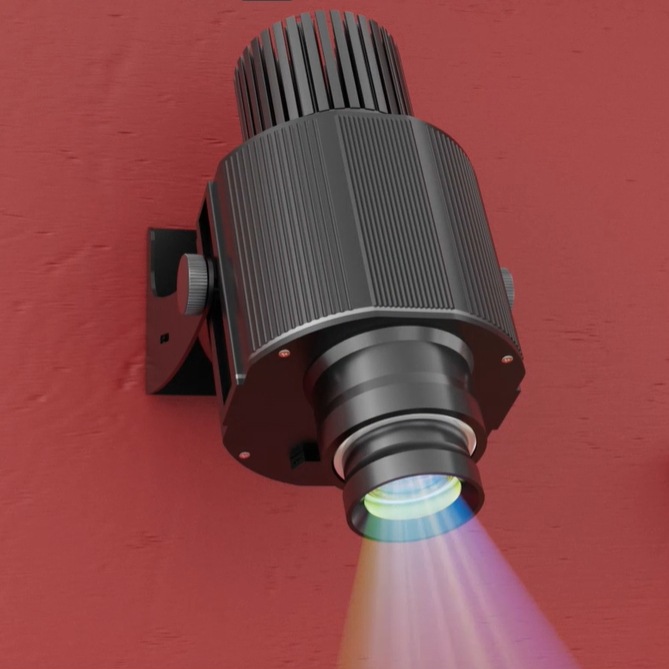
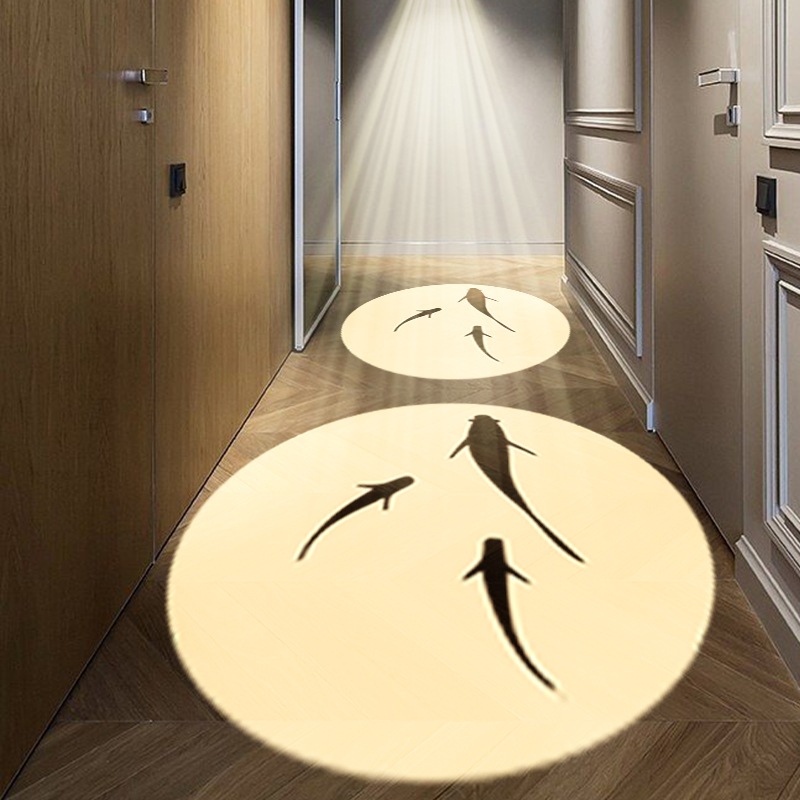
Low-output units for controlled indoor light. Fitted above a doorway, recessed into a ceiling or mounted on a sliding track, they place a mark on a floor or wall without dominating the room.
Open series →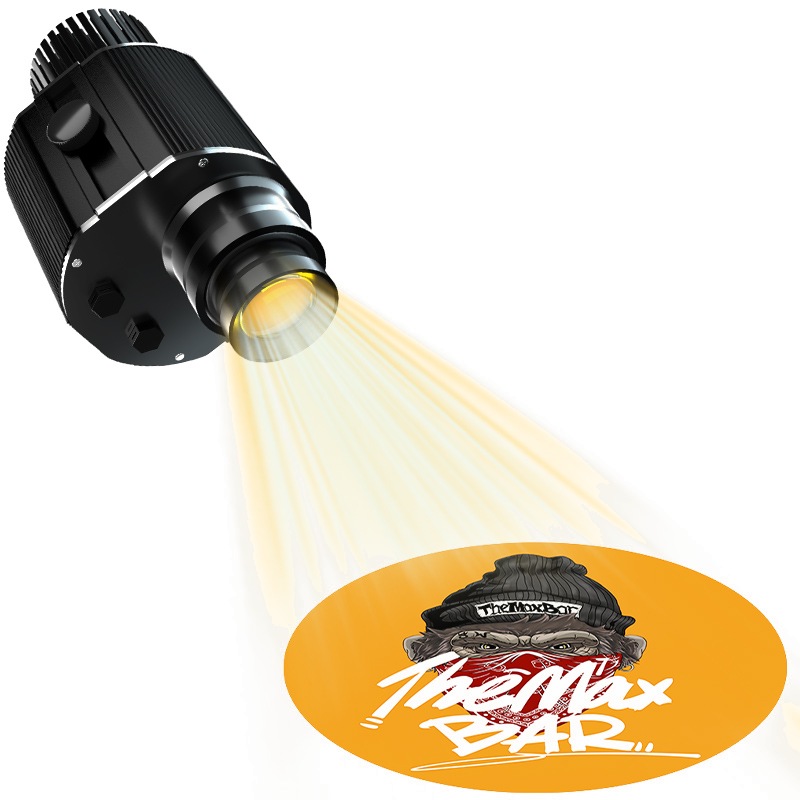
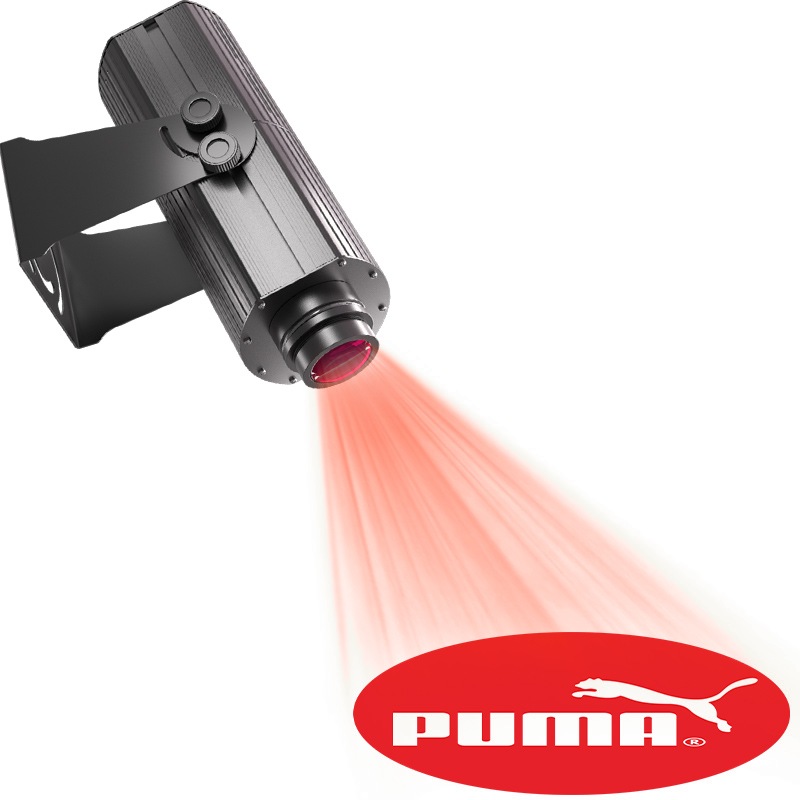
Sealed bodies rated for rain, dust and nightly operation. Specified for pavements, shopfronts and open-air frontages where the fixture stays outside all year.
Open series →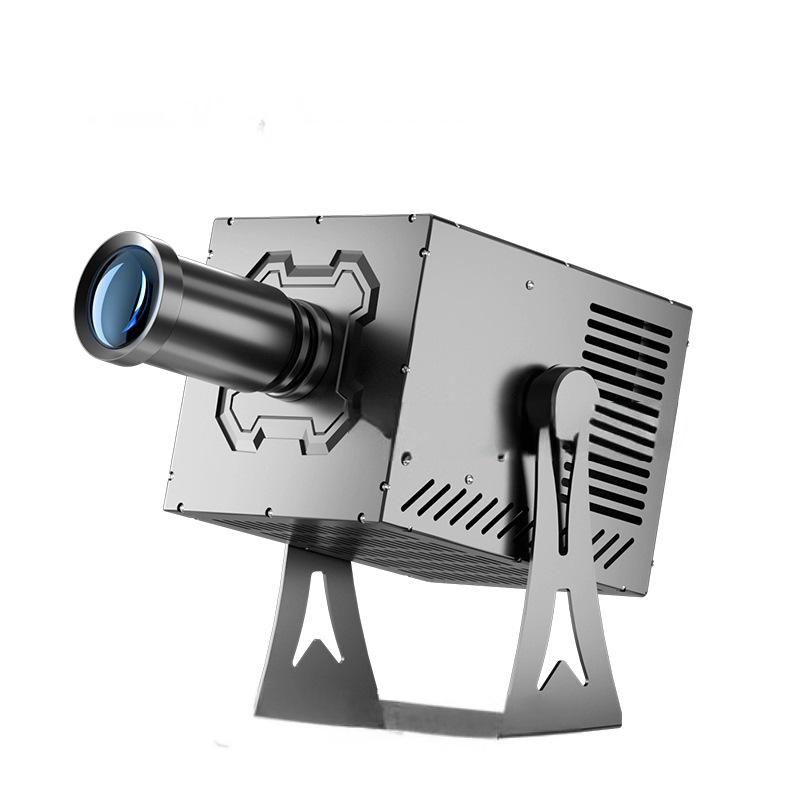
High-output engines for large surfaces and distant mounting positions. Used where the throw exceeds what a standard exterior unit can hold in focus.
Open series →
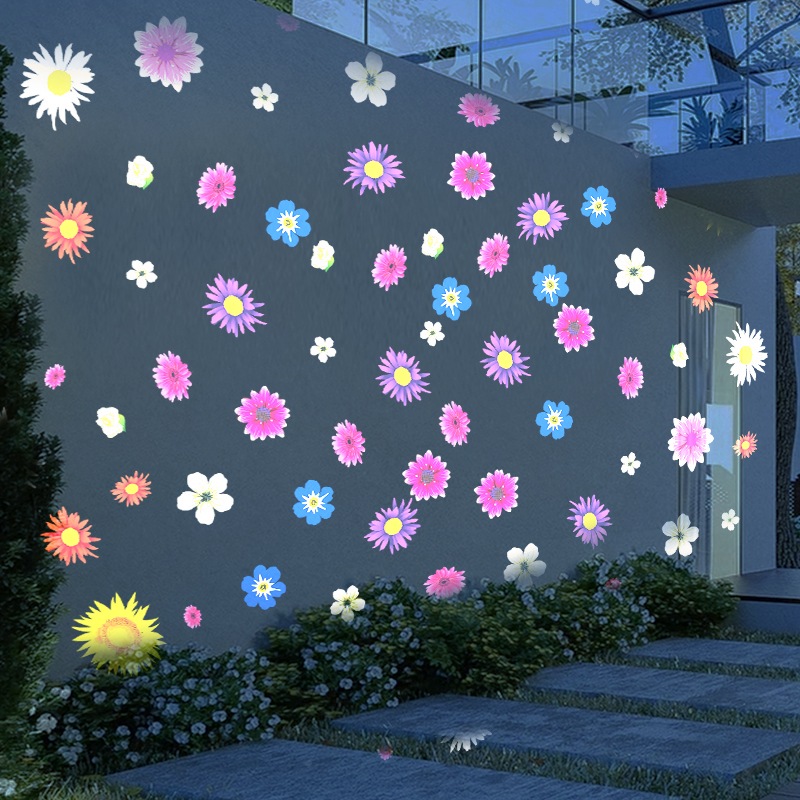
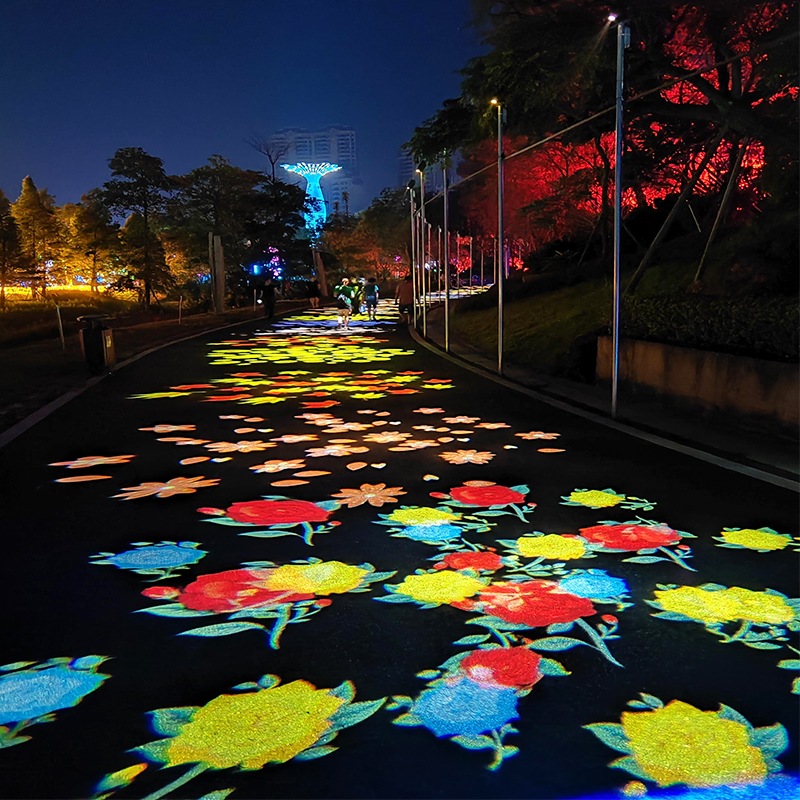
Rotating, multi-frame and atmospheric pattern projectors: water-ripple fields, drifting embers, starry skies and layered floral overlays for themed interiors, seasonal work and night-time destinations.
Open series →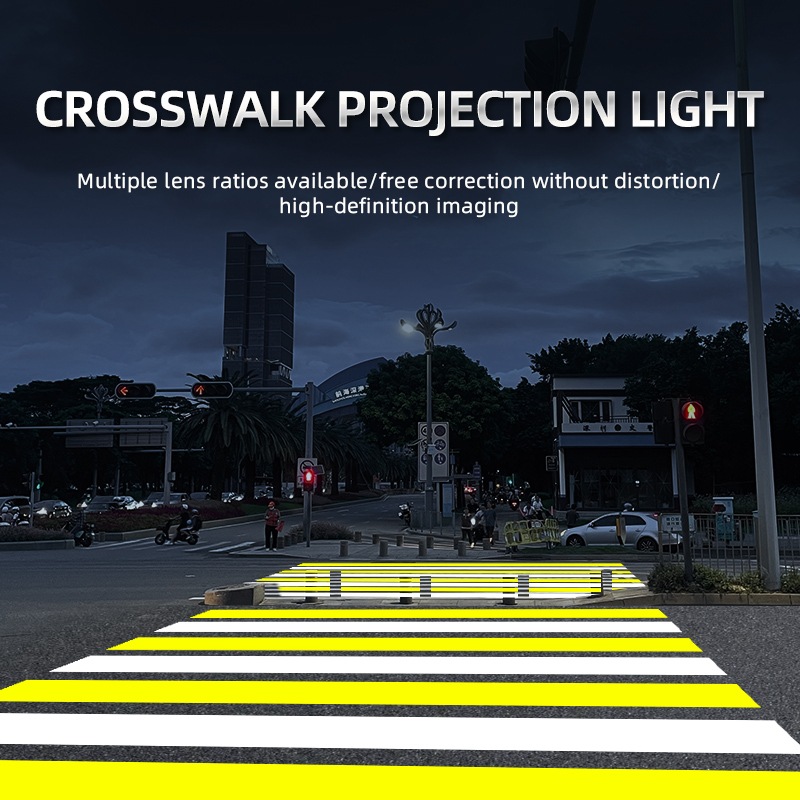
Projected lines, symbols and exclusion zones for industrial floors and pedestrian routes. Sensor-triggered variants bring the marking up only as a person or vehicle enters the area.
Open series →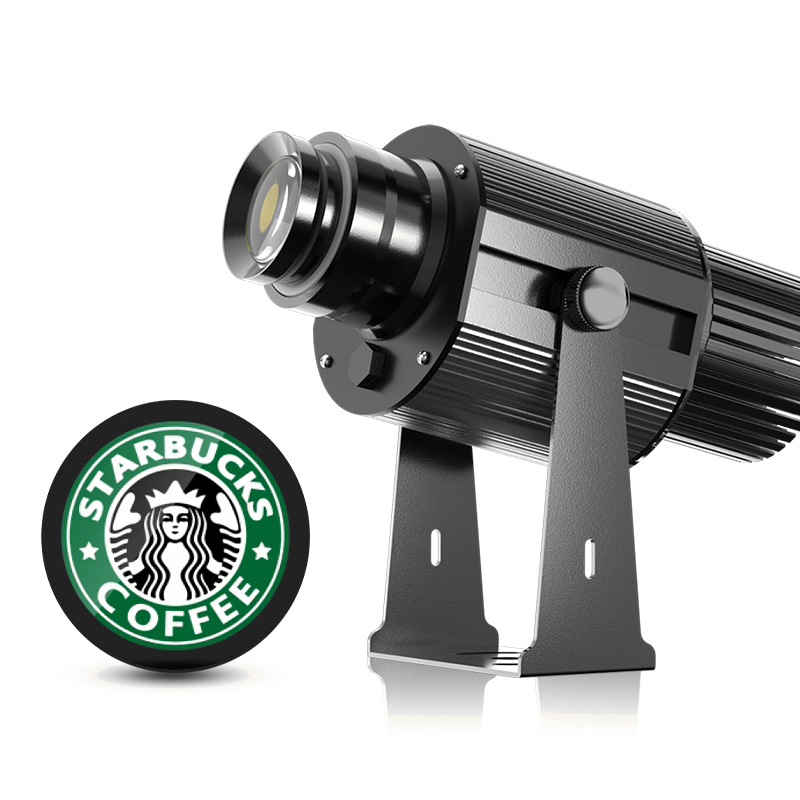
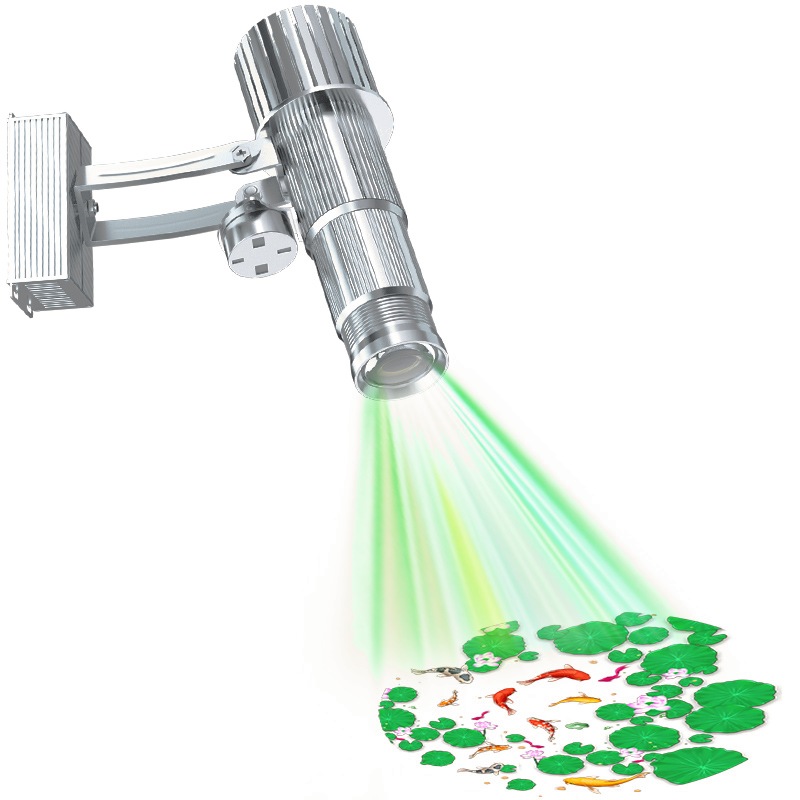
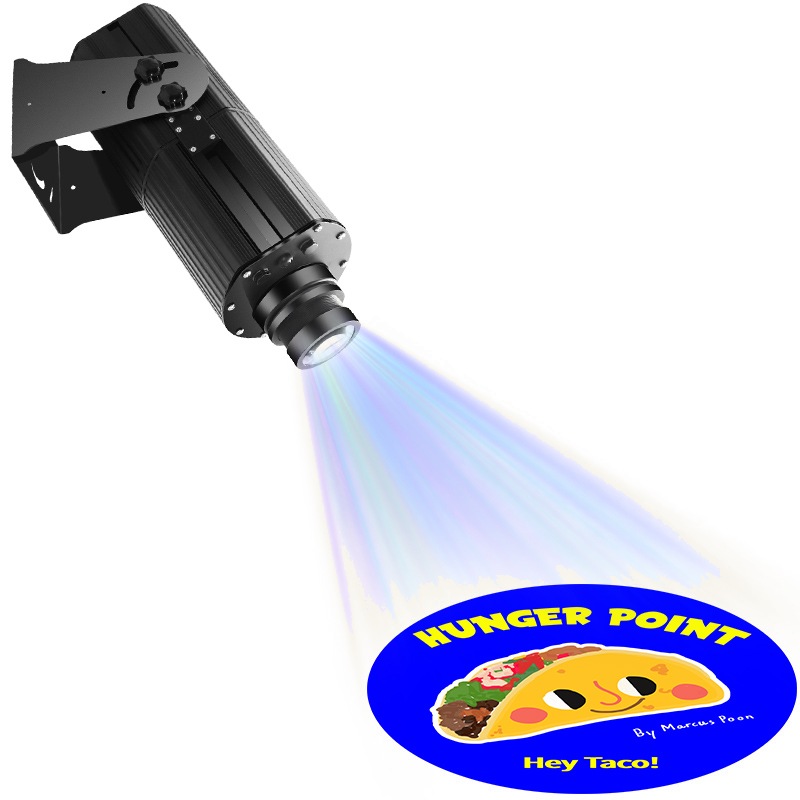
A made-to-order glass pattern supplied together with the projector it was matched to. Artwork, optics and housing are treated as one assembly.
Open series →Full designations, outputs and specification tables are in the catalogue.
Complete index →
A short extract from the technical guide included with every quotation.
A projector is chosen from the surface backwards.
Distance, ambient light and the size of the image you need narrow the range to one series before artwork is discussed. That order avoids the two common failures: a mark too dim to read, and a gobo cut for the wrong optical train.
Ten installation contexts, each with different distance and surface requirements.
All ten contexts →A mark on the pavement in front of the door is seen before the sign above it. Seasonal campaigns can be changed by swapping one glass disc.
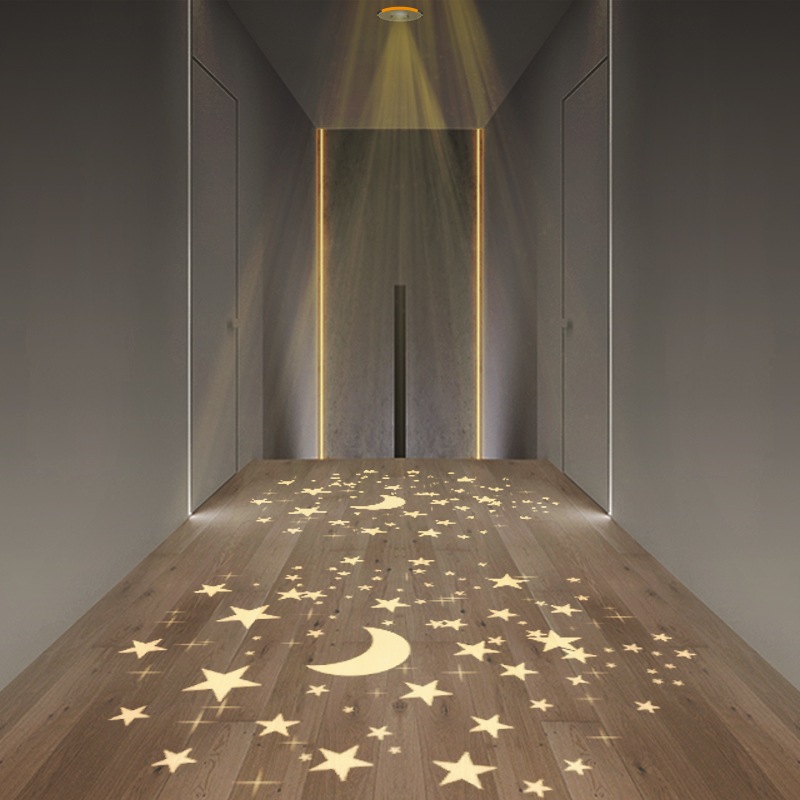
Bars, restaurants and hotel lobbies use low-output interior units to put a wordmark on a wall without adding another physical fitting to the room.
A projector travels as hand luggage and needs no fabricated sign. The same body can carry a different pattern at the next show.
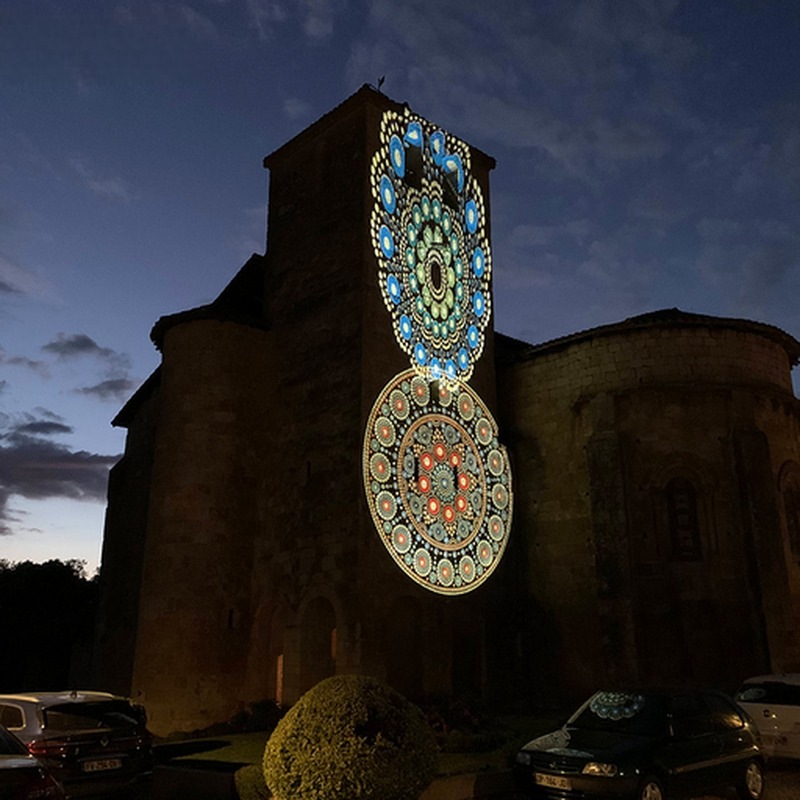
Long-throw exterior units place large graphics on buildings where fixing a physical sign is costly or not permitted.
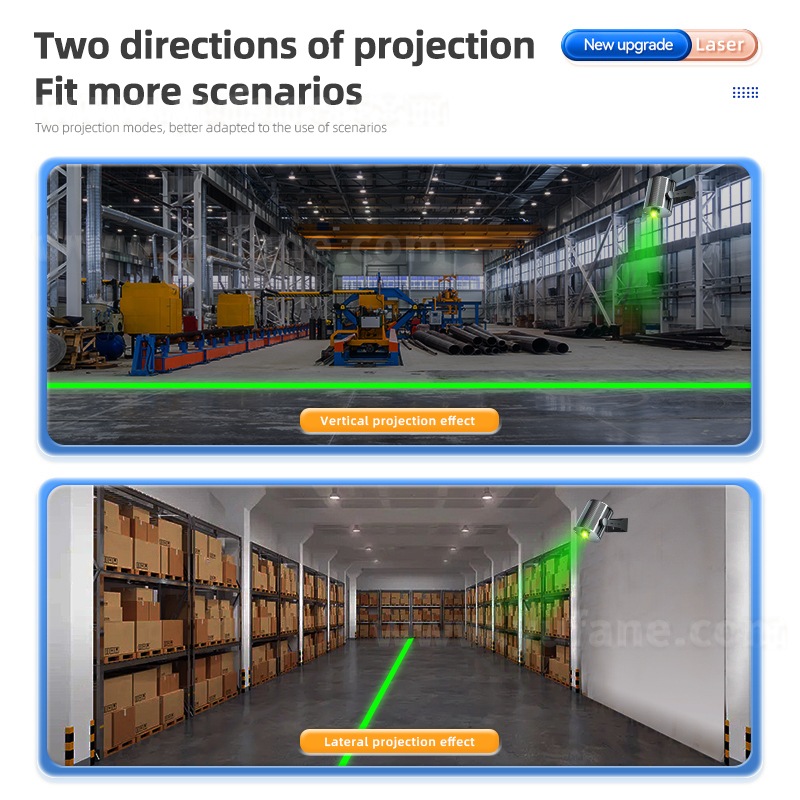
Projected lanes and exclusion zones follow the current layout. When the racking moves, the marking moves with it.
Written by the team that prepares the proofs and the specification sheets.
All notes →
The carrier decides how long a projected mark stays sharp. Heat, duty cycle and detail all point in the same direction.
Read note →
Two numbers from the site survey are enough to shortlist a projector: distance and the image diameter you need.
Read note →
A rating on a specification sheet is not a promise about every outdoor condition. Here is the practical reading.
Read note →Send the distance, the surface and the artwork. We return a model recommendation and a numbered quotation.
Open an enquiry →